AI and Art Therapy: Bridging Technology and Mental Well-Being
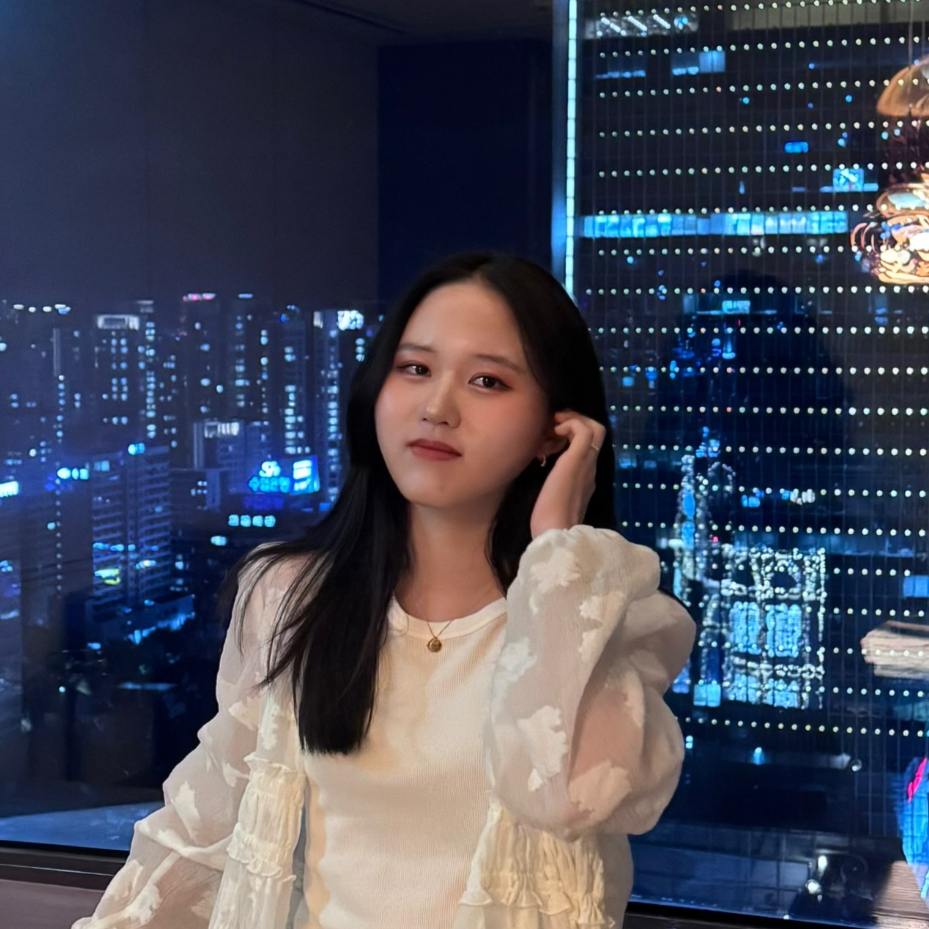

Moving abroad for high school was one of the most overwhelming experiences of my life. Living in a new country, struggling with a foreign language, and dealing with intense loneliness often left me exhausted. During those difficult days, my safe haven was animation. Watching colorful, expressive animation did more than just entertain me; it comforted my heart and helped me process complex feelings I couldn't express in words. This personal experience showed me how creative forms of art can heal the mind, leading me to explore a fascinating research topic: "A Study on the Integration Possibility of AI and Art Therapy." Specifically, can AI emotional analysis technology be applied to art therapy, and how do human therapists compare to AI in mental health care?
AI emotional analysis technology holds great potential for art therapy. Today, advanced computer vision and machine learning models can analyze various visual elements, such as color palettes, brushstroke intensity, and spatial arrangements in artwork. By identifying subtle patterns, AI can detect underlying emotional states like anxiety, sadness, or stress that a client might unconsciously express through their drawing. Furthermore, wearable AI sensors can monitor physical signals—such as heart rate or facial expressions—while a person creates art, providing real-time data on their stress levels. By systematically tracking these emotional patterns over time, AI can offer useful data-driven insights that make therapy sessions more accurate and efficient.

However, technology alone cannot replace the core of therapy. Comparing human therapists and AI highlights two distinct roles. AI excels as an efficient assistant. It can process large amounts of visual data instantly, detect objective patterns, and track long-term mental progress without bias. On the other hand, human therapists provide something AI cannot replicate: deep empathy, intuition, and authentic human connection. Art therapy is not just about decoding a picture; it is about building trust, feeling heard, and receiving warmth when sharing vulnerable emotions. While AI can analyze what is on the canvas, only a human therapist can truly understand why it matters to the individual's soul.
In conclusion, AI emotional analysis is not a replacement for human therapists, but a powerful supportive tool that can enrich art therapy. Technology can handle the objective data and pattern recognition, leaving human professionals free to focus on empathy, connection, and deep psychological care. Just as watching animation once provided me with comfort and emotional healing, combining technology with creative therapy can open new doors for mental health care. By working together, AI and human therapists can create a more accessible, intelligent, and compassionate future for psychological healing.


Comments